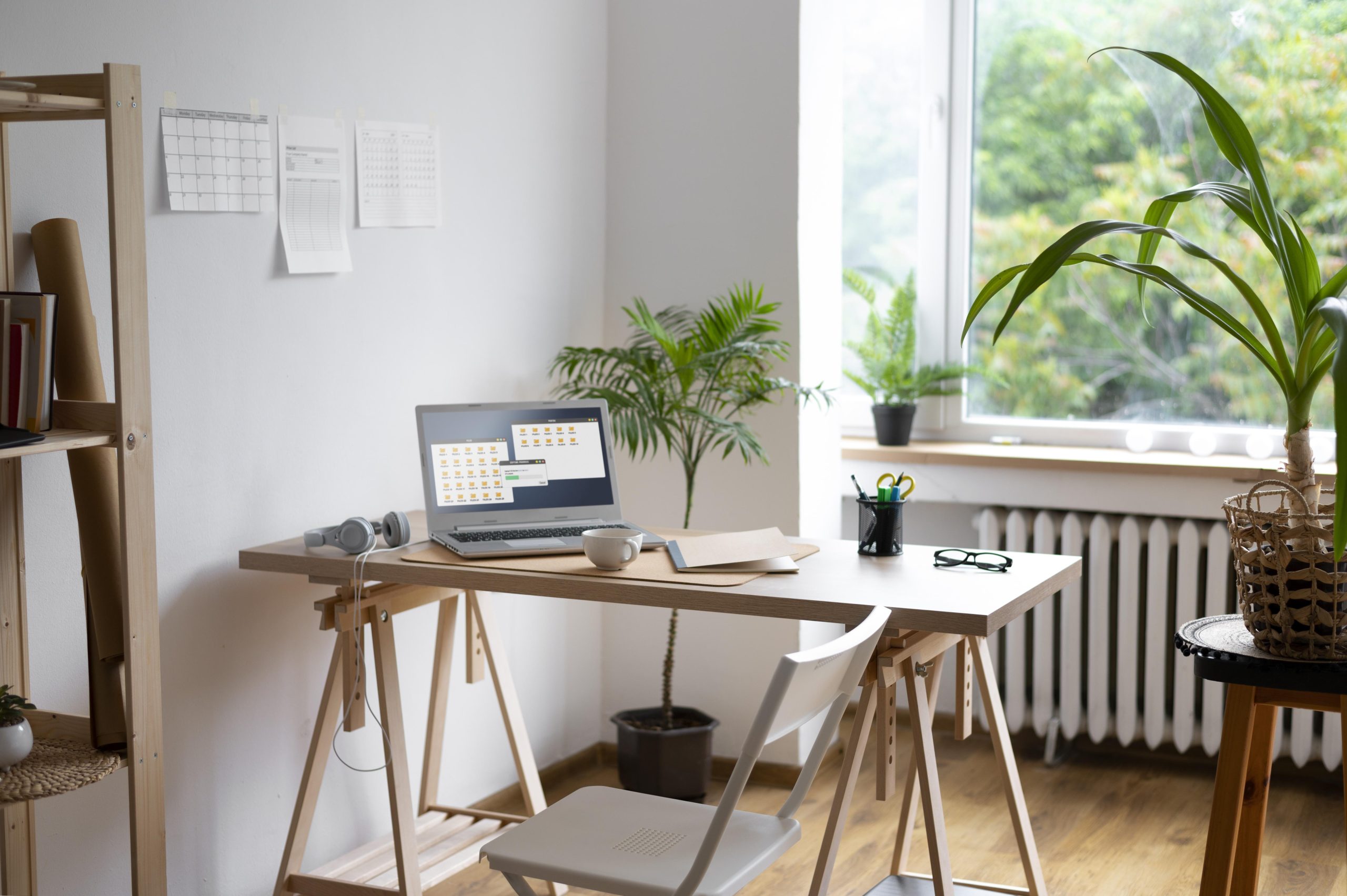
Moving into your first apartment as a student is exciting. It’s your chance to create a space that feels independent, comfortable, and completely your own. But between tuition fees, groceries, transportation, and everyday expenses, furnishing an apartment can quickly become overwhelming—especially on a tight budget. The good news is that creating a stylish and functional home does not require spending thousands of dollars. With smart planning, creativity, and patience, you can furnish your apartment affordably while still making it feel cozy and personal.
Start with the Essentials

One of the biggest mistakes students make is trying to buy everything at once. Before shopping, focus on the items you truly need for daily living. Essentials usually include a bed or mattress, desk, chair, basic kitchen supplies, lighting, and storage. Decorative items and trendy furniture can come later.
Create a checklist and divide it into three categories: “must-have,” “nice-to-have,” and “buy later.” This approach helps you avoid impulse purchases and stay within your budget. Remember, an apartment does not have to look perfect on day one. Most comfortable homes are built gradually over time.
Set a Realistic Budget

Before you start shopping, decide how much you can realistically spend. Having a fixed budget prevents unnecessary spending and helps you prioritize important purchases. Allocate more money toward items you will use every day, such as a mattress or study chair, because comfort and functionality matter more than aesthetics in the long run.
A simple spreadsheet or budgeting app can help you track expenses. Small purchases add up quickly, so monitoring your spending can prevent surprises later.
Consider Renting Furniture
For students who move frequently or live in temporary housing, renting furniture can be a practical option to furnish your apartment affordably. Instead of spending a large amount upfront on beds, sofas, desks, or appliances, you can rent them for a monthly fee. This is especially useful for students living away from home for only a few years or sharing apartments with roommates.
Furniture rental services often include delivery, setup, and maintenance, which can save both time and effort. It also gives students flexibility because they can upgrade, return, or exchange items more easily when moving to a new apartment. Renting can help create a fully furnished and comfortable space without the financial pressure of buying everything at once.
Choose Multi-Functional Furniture
Small student apartments often have limited space, so multi-functional furniture is a smart investment to furnish your apartment affordably. Look for items that serve more than one purpose, such as a storage ottoman, foldable desk, sofa bed, or bed frame with built-in drawers.
These pieces save both money and space because you do not need to purchase multiple items. They also make your apartment feel less cluttered and more organized, which can improve productivity and comfort.
Decorate Creatively
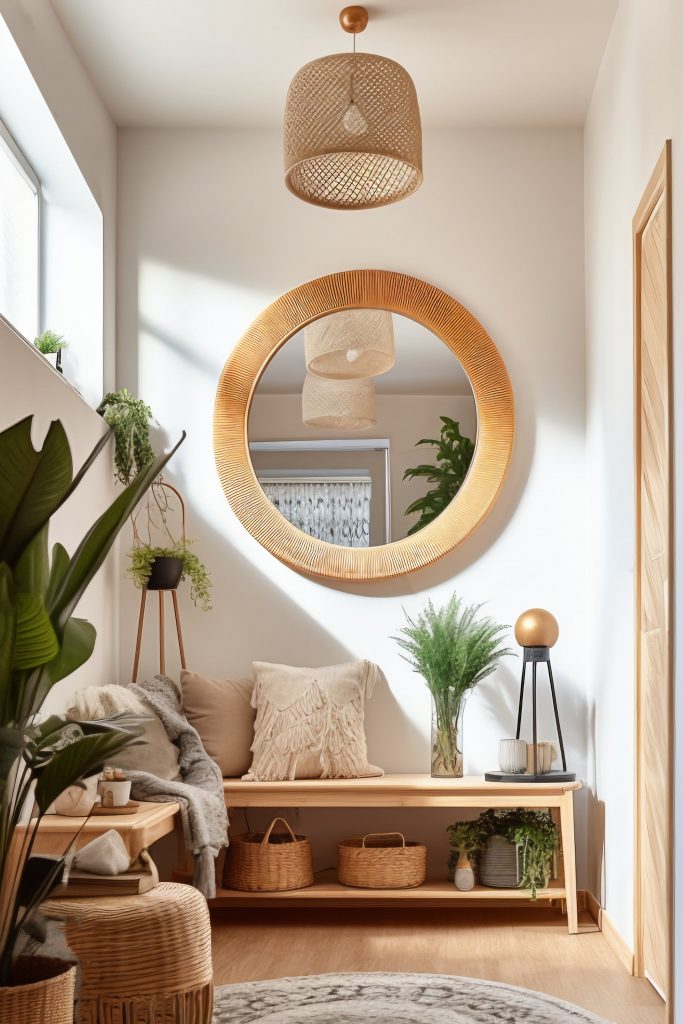
Decorating on a budget is easier than many students think. Expensive décor is not necessary to make a space feel welcoming. Fairy lights, posters, printed photos, throw pillows, and inexpensive rugs can completely transform a room.
DIY projects are another affordable option. You can paint old furniture, create wall art, or reuse jars and containers for storage. Plants are also an inexpensive way to brighten up a room and make it feel more alive. Even one small plant can add warmth and personality to your apartment.
Buy Slowly and Compare Prices
It can be tempting to buy everything immediately after moving in, but patience often saves money. Compare prices across different stores, wait for discounts, and check student sales or seasonal offers. Many retailers offer back-to-school discounts specifically for students furnishing dorms or apartments.
Buying slowly also helps you understand what you actually need. After living in your apartment for a few weeks, you may realize that some items are unnecessary while others are more important than you initially thought.
Share Costs with Roommates
If you live with roommates, you do not need to furnish every shared space alone. Splitting the cost of kitchen appliances, cleaning supplies, and living room furniture can significantly reduce expenses for everyone.
Discuss responsibilities early to avoid confusion later. For example, one roommate could buy the microwave while another purchases the coffee table or vacuum cleaner. Sharing costs not only saves money but also prevents duplicate purchases.
Focus on Comfort Over Perfection

Social media often creates unrealistic expectations about how apartments should look. Many students feel pressure to create a perfectly aesthetic space immediately, but real apartments are rarely flawless. Instead of chasing trends, focus on making your apartment practical, comfortable, and suited to your lifestyle.
A cozy blanket, good lighting, and a clean environment often matter more than expensive decorations. Your apartment should support your studies, relaxation, and daily routine—not just look good in pictures.
Final Thoughts
Furnishing your first apartment as a student can seem stressful, but it is also an opportunity to learn budgeting, organisation, and creativity. By prioritising essentials, shopping second-hand, choosing practical furniture, and decorating gradually, you can build a comfortable living space without overspending.
Your first apartment does not need to be luxurious to feel like home. What matters most is creating a space where you can study, rest, and enjoy your independence while staying within your budget. With smart choices and a little creativity, even a student apartment can become a stylish and welcoming place to live.