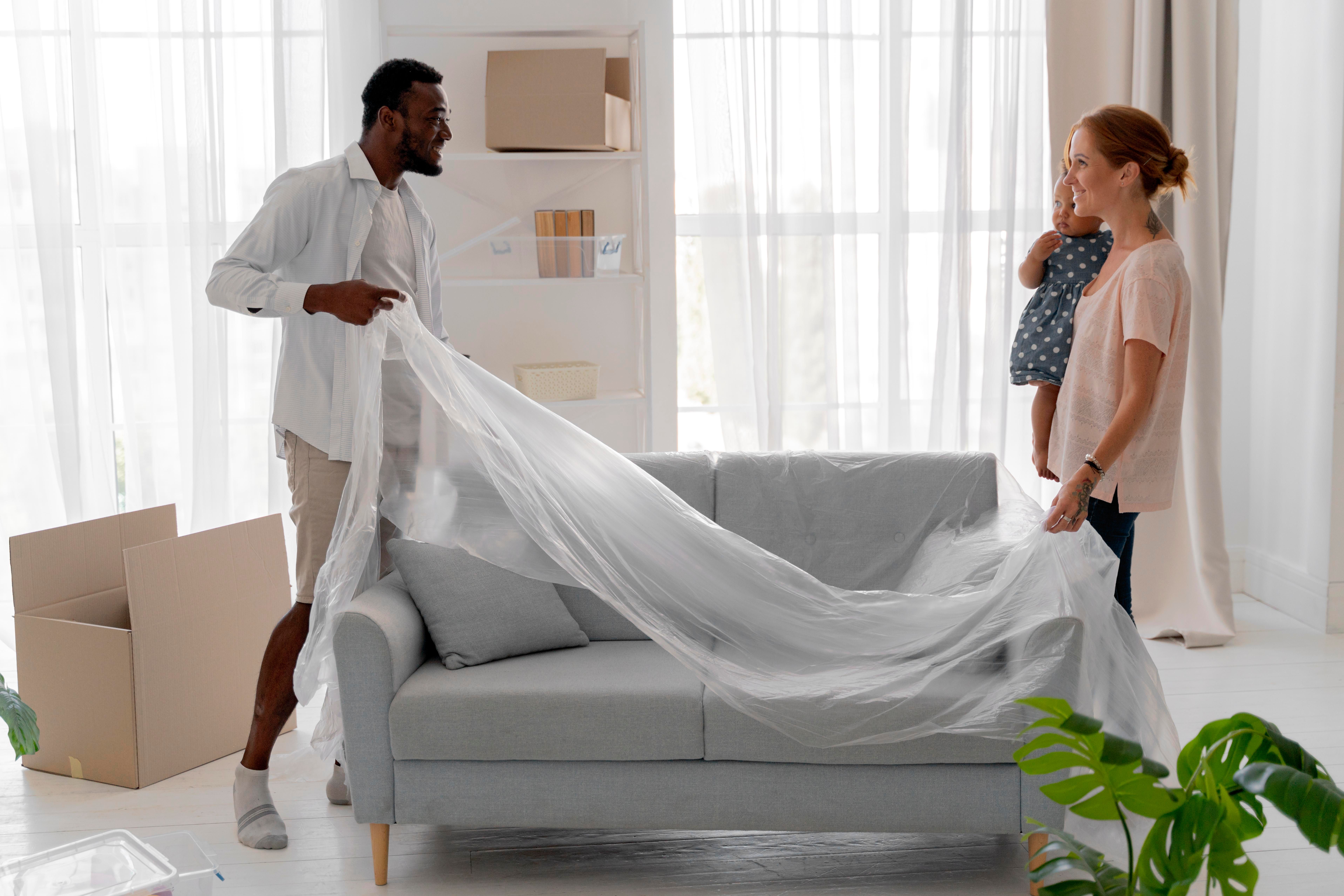
Furniture adds comfort, functionality and personality to a home. However, keeping it clean can be challenging, especially when dust settles on sofas, beds, tables and other frequently used pieces. Dust not only affects the appearance of furniture but can also collect in corners, upholstery and hard-to-reach areas.
One simple way to protect your furniture is by using furniture covers. Whether you want to protect a sofa in the living room or keep a spare bed clean in a guest room, the right dust cover can reduce cleaning effort and help your furniture stay in better condition.
In this guide, we explore the benefits of furniture covers, the different types available and how to choose the right one for your home.
Why Do You Need Furniture Covers for Dust?
Dust enters homes through open windows, doors, ventilation systems and everyday activities. Even if you clean your home regularly, fine dust particles can settle on furniture within a few hours.
Furniture covers create a protective layer between your furniture and the surrounding environment. They are particularly useful for:
- Protecting unused furniture: Spare beds, sofas and dining chairs can collect dust when they are not used regularly.
- Reducing cleaning time: Covers prevent dust from settling directly on furniture, making everyday maintenance easier.
- Protecting upholstery: Fabric sofas and chairs can trap dust in their fibres, making them harder to clean.
- Keeping furniture clean during renovation: Covers help protect furniture from construction dust, paint splashes and debris.
- Protecting furniture during travel: If you are away from home for an extended period, covers can help keep your furniture protected.
Different Types of Furniture Covers for Dust Protection
Furniture covers are available in different materials, sizes and designs. Choosing the right type depends on the furniture you want to protect and how frequently you use it.
1. Sofa Covers
Sofas are among the most frequently used pieces of furniture in a home. Their fabric upholstery can collect dust, pet hair and everyday dirt. A sofa cover provides an additional protective layer and can also help refresh the look of your living room.
You can choose stretchable covers for a fitted appearance or loose covers that are easy to remove and wash. For everyday use, look for breathable, washable fabrics that are comfortable and easy to maintain.
2. Bed and Mattress Covers
Click to rent solid wood bed, mattress with cover.
Beds and mattresses can collect dust, particularly in guest rooms or bedrooms that are not used regularly. A mattress cover protects the sleeping surface from dust and everyday dirt.
For complete protection, you can also use a bed cover or bedspread to cover the exposed bedding during the day. Make sure you distinguish between a decorative bed cover and a fully enclosed mattress protector, as they serve different purposes.
3. Dining Table Covers
Dining tables are exposed to food crumbs, spills and dust. A table cover helps protect the surface when the table is not in use. Cotton, polyester and wipe-clean materials are common options.
Choose a cover that fits the table properly without hanging too low or interfering with seating.
4. Chair Covers
Dining chairs, accent chairs and upholstered office chairs can accumulate dust, especially around the seat and backrest. Chair covers are a practical option for protecting these surfaces.
Stretchable covers work well for many standard chair shapes, while removable fabric covers are useful when you want something that can be washed regularly.
5. Cabinet and Storage Covers
Furniture such as bookshelves, display units and storage cabinets can collect dust on open shelves and exposed surfaces. Dust covers made from fabric or lightweight protective material can help keep less frequently used units clean.
For everyday access, consider covering only the sections that are not used regularly rather than wrapping the entire cabinet.
Which Material Is Best for Furniture Dust Covers?
The material you choose affects how well the cover protects your furniture, how easy it is to clean and how long it lasts.
Here are some commonly available options:
- Cotton: Soft, breathable and washable. Cotton covers are suitable for everyday household use, although they may allow some fine dust to pass through.
- Polyester: Lightweight, durable and relatively easy to maintain. It is available in different textures and designs.
- Non-woven fabric: Often used for temporary furniture protection. It is lightweight and useful during storage or renovation.
- Plastic covers: These provide a barrier against dust and moisture but can trap humidity if furniture is covered while damp. Avoid using them for long-term storage without proper ventilation.
- Quilted fabric: Offers an extra layer of protection against minor scratches and everyday contact, making it useful for furniture that needs more than basic dust protection.
For regular household use, washable and breathable materials are generally a practical choice.
How to Choose the Right Furniture Cover for Your Home
Not every cover is suitable for every piece of furniture. Before buying one, consider the following factors:
Check the Size and Fit
Measure the length, width and height of your furniture before purchasing a cover. A cover that is too small may leave surfaces exposed, while an oversized cover can slip off easily and look untidy.
Consider the Furniture Material
Wooden furniture, leather sofas and fabric upholstery have different care requirements. Choose a cover that protects the surface without trapping unnecessary moisture or causing friction.
Look for Easy Maintenance
Furniture covers should be easy to remove, wash or wipe clean. If you plan to use them regularly, check the washing instructions before buying.
Choose Breathable Materials
Breathability is important, particularly in humid conditions. Covering damp furniture with airtight plastic can encourage moisture build-up. Always ensure that furniture is completely dry before covering it.
Match the Cover to Your Home Décor
Furniture covers do not have to look purely functional. Neutral shades such as beige, grey and white can blend easily with most interiors, while patterned covers can add a decorative touch.
Tips to Keep Furniture Dust-Free
Furniture covers work best when combined with a few simple cleaning habits.
- Dust regularly: Use a soft microfibre cloth to remove dust from exposed furniture surfaces.
- Clean before covering: Always wipe down furniture before putting a cover on it. Otherwise, you may trap existing dust underneath.
- Wash covers periodically: Follow the manufacturer's care instructions to prevent dust and dirt from building up on the covers themselves.
- Keep windows and doors clean: Dust can enter through open windows and collect around furniture.
- Avoid damp storage: Make sure furniture and covers are completely dry before covering or storing them.
- Vacuum upholstery: Use an appropriate upholstery attachment to remove dust from sofas and fabric chairs.
Should You Cover Furniture When You Are Not Using It?
Yes, covering furniture can be helpful when it will remain unused for a few days or weeks. This is especially useful for guest rooms, holiday homes, vacant properties and furniture kept in storage.
However, avoid leaving furniture covered continuously in a damp or poorly ventilated room. Remove the covers occasionally, allow the furniture to air out and check for any signs of moisture.
Protect Your Furniture and Make Everyday Maintenance Easier
Furniture covers are a simple and affordable way to reduce dust accumulation and protect frequently used or temporarily unused furniture. From sofa and chair covers to mattress protectors and dining table covers, the right choice can make home maintenance easier.
If you are furnishing a new home or updating your interiors, think about both furniture protection and everyday functionality. With regular cleaning, suitable covers and proper ventilation, you can keep your furniture looking neat and welcoming for longer.